Research
Combating brain aging and neurodegenerative diseases by illuminating and therapeutically modulating extracellular protein dynamics.
The Shuken Lab develops chemical and proteomic technologies to understand how extracellular proteins drive brain aging and neurodegeneration.
Many important brain proteins act in extracellular spaces, where they diffuse between compartments, misfold, aggregate, and are degraded, through mechanisms that remain difficult to observe directly. Dysregulation of these processes is believed to drive brain aging and neurodegenerative disease pathogenesis, yet they are currently difficult to study with conventional genetic or biochemical tools.
Our approach combines organic synthesis, mass spectrometry, chemical biology, and neurobiology to create new ways of measuring and perturbing extracellular protein behavior in vitro, in vivo, and in situ. The long-term goal is to reveal actionable biology and develop brain-specific therapies that halt or reverse brain aging and prevent neurodegenerative disease.
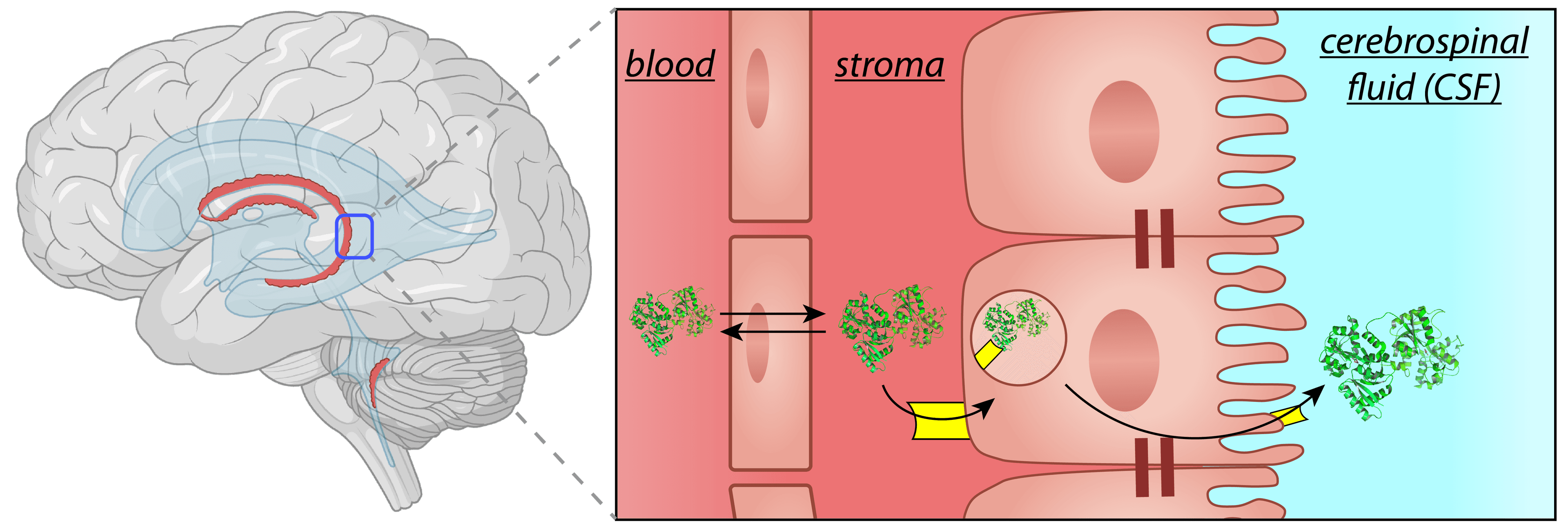
Protein Transport Across the Blood-Cerebrospinal Fluid Barrier
We are using next-generation labeling techniques to study how trans-barrier movement changes in aging and disease, revealing transport mechanisms that can be leveraged for drug delivery to the brain.
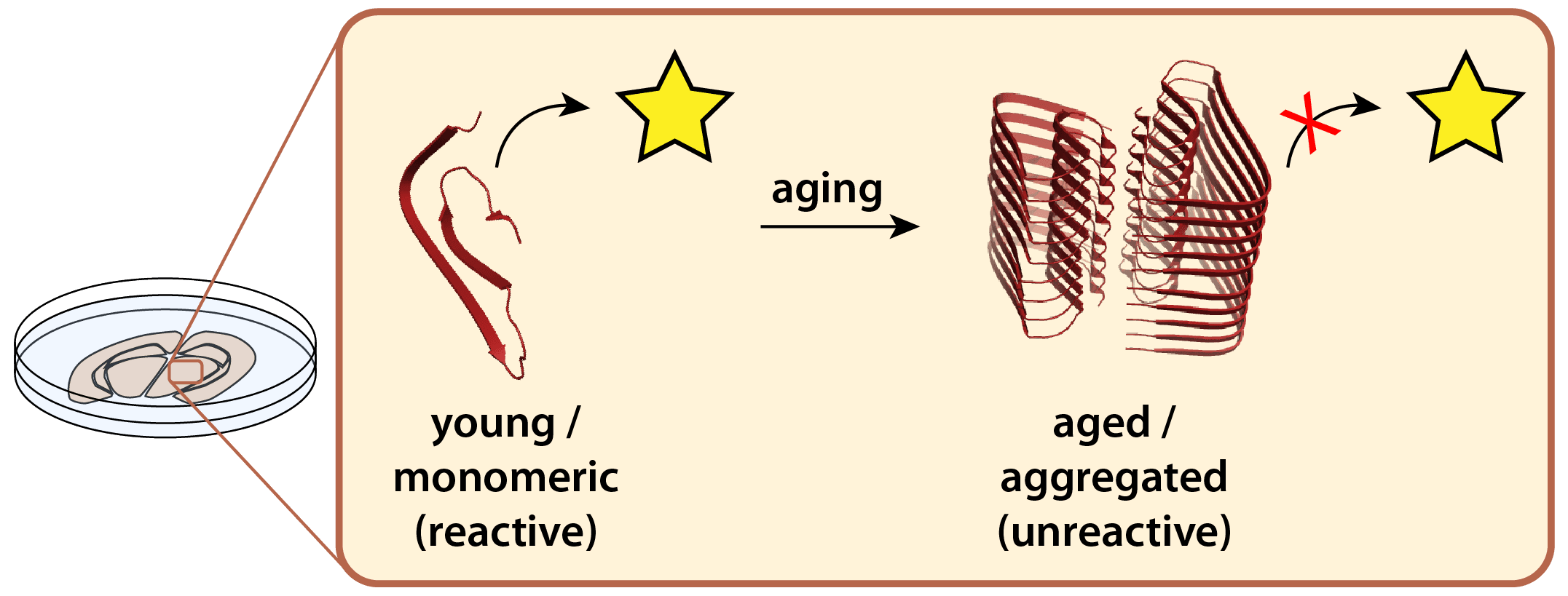
Proteome-Wide Measurement of Protein Aggregation
Protein aggregation drives several aging-associated neurodegenerative diseases, but many aggregation processes remain uncharacterized, and the interplay between these processes is poorly understood. We are developing and applying novel chemoproteomics-based assays to elucidate the complex dynamics of protein aggregation across the proteome in situ in brain tissue slices.
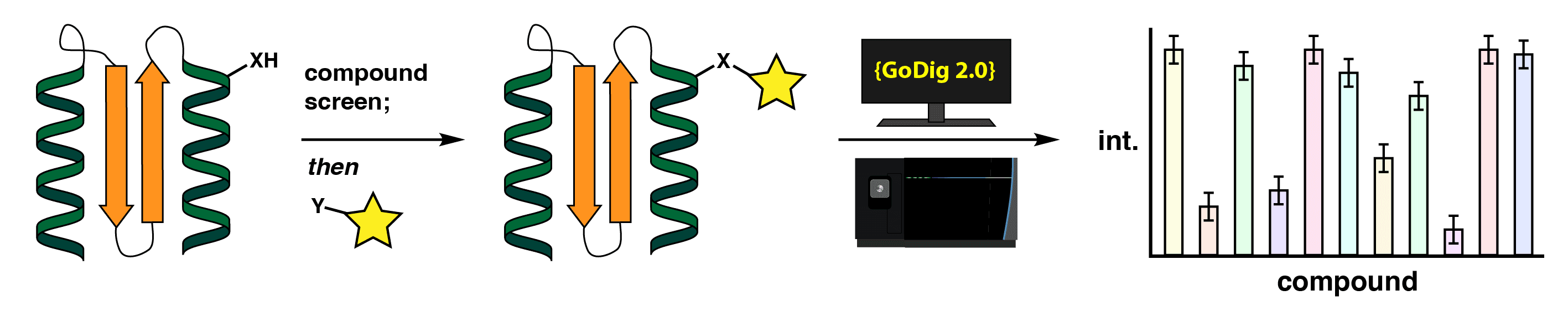
Degradation of Extracellular Proteins in the Brain
We are using cutting-edge chemoproteomic methods, powered by the GoDig targeted proteomic platform, to develop small molecules that migrate into the brain extracellular space and selectively degrade disease-associated proteins.